I’ve looked into online algebra tutoring more out of necessity than curiosity. For topics like functions or equations, having someone explain things step by step can reduce confusion, but the outcome still varies. In my case, regular sessions helped a bit with homework, though progress wasn’t instant. Different services present themselves similarly, so I tend to compare details carefully. At one point I noted this page: https://brighterly.com/algebra-tutor/ — it gives a rough idea of how such tutoring is organized. Overall, it’s a supportive tool
Thanks for this clear comparison of the ACT and SAT! As a study abroad aspirant, it’s also important to understand other tests like TOEFL and IELTS. For example, I’ve been checking a TOEFL score chart to plan my English prep, and practicing an IELTS listening practice test has really helped sharpen my listening skills alongside my SAT/ACT work. Great insights for anyone preparing for multiple exams!
Understanding the differences between the ACT and SAT really helps students make the right choice based on their strengths, whether it’s time management, math approach, or reading style. For students planning to study abroad, clarity around such exams is essential not only for admissions but also for overall preparation.
At Gradding Homes, we often guide international students through these early decisions by helping them explore suitable courses and universities while also supporting them with reliable housing options. Finding the right student accommodation in Hull or other university cities can make the transition much smoother and allow students to focus fully on their academic goals.
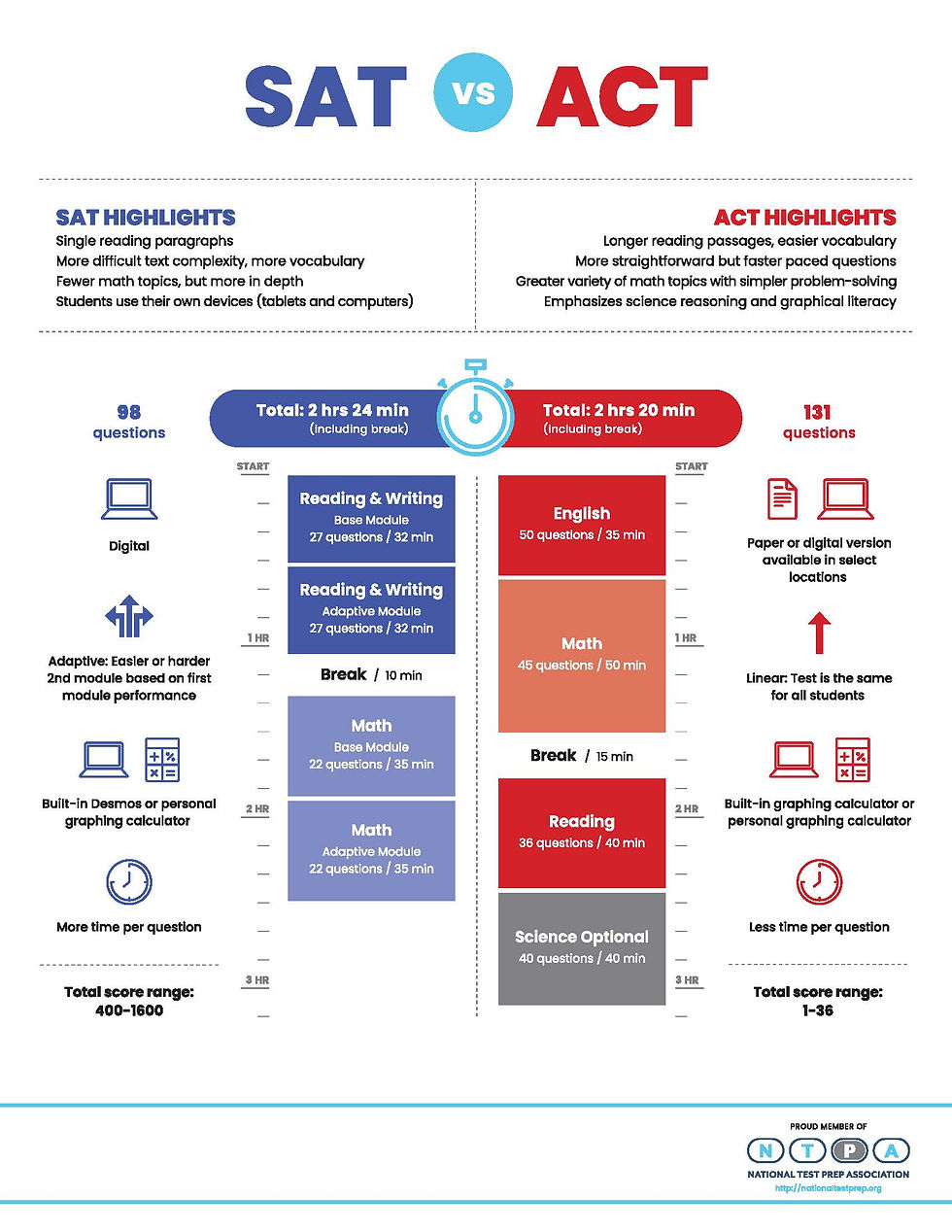
The ACT and SAT are both standardized tests used for college admissions, but they differ in structure and focus. The SAT emphasizes evidence-based reading, writing, and math reasoning, while the ACT includes a science section and tends to be more straightforward in its math questions. Timing and scoring also vary, with the ACT allowing slightly less time per question. Students preparing for these exams can benefit from comprehensive practice strategies, similar to how ielts mock test reading helps learners improve comprehension, speed, and accuracy. Regular practice ensures familiarity with question patterns and boosts overall confidence before the actual test.
When deciding between the ACT and SAT, students should consider their strengths and test formats, as both exams cover math, reading, and writing differently. For those planning to study abroad, preparing early for the right test is important.
It’s also helpful to plan for living arrangements while studying overseas. For example, students going to the UK can look into student accommodation in London to find safe and convenient places to stay while focusing on their studies.




I’ve looked into online algebra tutoring more out of necessity than curiosity. For topics like functions or equations, having someone explain things step by step can reduce confusion, but the outcome still varies. In my case, regular sessions helped a bit with homework, though progress wasn’t instant. Different services present themselves similarly, so I tend to compare details carefully. At one point I noted this page: https://brighterly.com/algebra-tutor/ — it gives a rough idea of how such tutoring is organized. Overall, it’s a supportive tool
Thanks for this clear comparison of the ACT and SAT! As a study abroad aspirant, it’s also important to understand other tests like TOEFL and IELTS. For example, I’ve been checking a TOEFL score chart to plan my English prep, and practicing an IELTS listening practice test has really helped sharpen my listening skills alongside my SAT/ACT work. Great insights for anyone preparing for multiple exams!
Understanding the differences between the ACT and SAT really helps students make the right choice based on their strengths, whether it’s time management, math approach, or reading style. For students planning to study abroad, clarity around such exams is essential not only for admissions but also for overall preparation.
At Gradding Homes, we often guide international students through these early decisions by helping them explore suitable courses and universities while also supporting them with reliable housing options. Finding the right student accommodation in Hull or other university cities can make the transition much smoother and allow students to focus fully on their academic goals.
The ACT and SAT are both standardized tests used for college admissions, but they differ in structure and focus. The SAT emphasizes evidence-based reading, writing, and math reasoning, while the ACT includes a science section and tends to be more straightforward in its math questions. Timing and scoring also vary, with the ACT allowing slightly less time per question. Students preparing for these exams can benefit from comprehensive practice strategies, similar to how ielts mock test reading helps learners improve comprehension, speed, and accuracy. Regular practice ensures familiarity with question patterns and boosts overall confidence before the actual test.
When deciding between the ACT and SAT, students should consider their strengths and test formats, as both exams cover math, reading, and writing differently. For those planning to study abroad, preparing early for the right test is important.
It’s also helpful to plan for living arrangements while studying overseas. For example, students going to the UK can look into student accommodation in London to find safe and convenient places to stay while focusing on their studies.